Technology and evidence

Make every signal traceable.

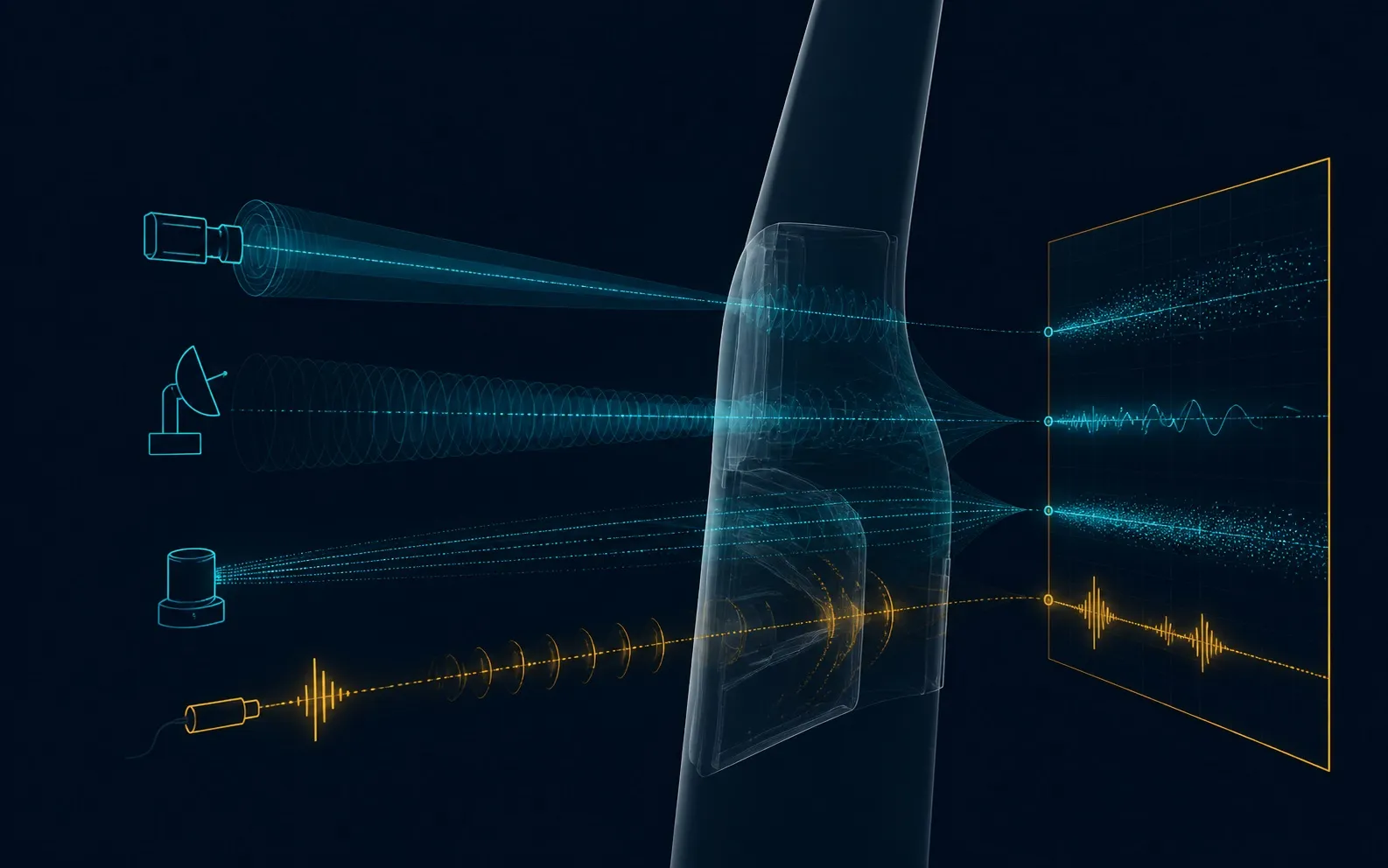
Connect each camera, radar, lidar or ultrasonic signal to its retained data, review status and operating conditions.

Inspection signals converging into a traceable evidence record
Camera, radar, lidar and ultrasonic signals connected to a reviewable data record.

Evidence chain

From signal to reviewable record.

Not every system retains the same data. Each product page identifies the documented capture method, output and applicable conditions.

  1. 01

    Sense

    A camera, radar, lidar or ultrasonic probe captures a physical signal within a documented operating envelope.

  2. 02

    Retain

    The workflow preserves the relevant image, measurement, signal or event record with its available reference data.

  3. 03

    Review

    Processing and AI-assisted tools can organise or flag records. A qualified human remains responsible for final interpretation.

  4. 04

    Report

    The output links the observation to location, status, conditions and the disclosure needed to support later review.

Worked evidence pattern

Keep source, review and output connected.

This example shows the information structure only. It is not a diagnosis, performance result or substitute for the applicable inspection procedure.

01 · Source recordIllustrative capture shell

No field image published

A real project record would retain the original source file here.
Source reference
Capture ID / original file
Position
Blade / cavity / distance
Conditions
Method / access / visibility
Status
Pending human review

Code-native information pattern · illustrative fields only · no customer or inspection data

  1. 02 · Reference

    Retain capture context

    Associate the source file with the available position, time, operating condition and capture method.

  2. 03 · Review

    Separate assistance from approval

    Software may organise or flag a candidate. Human review records whether the observation is accepted, rejected or needs more evidence.

  3. 04 · Record

    Preserve the decision trail

    Keep the observation, review state, source reference and limitations together in the retained report.

Measurement methods

Different signals answer different questions.

No single sensing method replaces the others. Selection starts with the component, access, environment and decision the output must support.

Visual capture

Camera and crawler imaging

Records visible surfaces and events. Image quality, access, lighting and line of sight remain part of the interpretation.

Distance measurement

Video and radar–camera clearance

Measures blade-to-tower clearance using the documented sensing geometry. Weather, mounting and calibration affect the project result.

Remote wind sensing

Doppler lidar

Estimates forward wind speed and direction across configured distance layers for monitoring or project-specific integration.

Subsurface inspection

Phased-array ultrasonic testing

Multiple ultrasonic elements send sound into a supported metal component. Returned signals are reconstructed as reviewable images and data.

Axial-force feedback

Ultrasonic bolt preload

Measures a calibrated change in the bolt to assess preload while the hydraulic tool works toward the configured target.

AI-assisted, human-reviewed

Automation supports human review.

What assistance can do

Organise captures, support location records, highlight candidates and prepare structured report fields where documented.

What remains human

Confirming observations, resolving ambiguity, applying the relevant inspection criteria and approving the final record.

What remains project-specific

Installation, calibration, controller logic, alarm thresholds, cybersecurity, acceptance criteria and operating responsibility.

Publication controls

The condition is part of the number.

  • MeaningA value stays beside the exact quantity it describes.
  • ConditionConfiguration, geometry and environmental limits remain visible.
  • SourcePublished specifications identify the supplied documentation used.
  • ReviewProject outcomes are not presented as universal product performance.

Technical review

Define the evidence your decision requires.

Share the task, component, operating envelope and required output so the configuration can be reviewed against documented conditions.